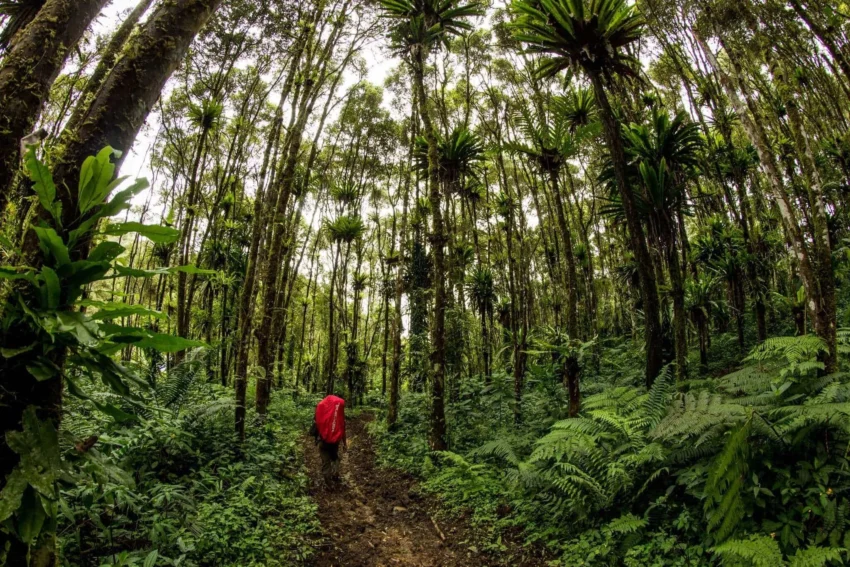
Trails – Flora & Fauna – Exploring Sumatra’s Tropical Forests
Kerinci Seblat National Park stands as one of Indonesia’s most spectacular natural treasures. Spanning four provinces—West Sumatra, Jambi, Bengkulu, and South Sumatra—this UNESCO World Heritage Site offers a pristine wilderness that captivates trekkers, wildlife enthusiasts, and nature photographers. As the largest national park on Sumatra Island, Kerinci Seblat is a sanctuary for rare flora, endangered fauna, and dramatic landscapes shaped by volcanic activity and dense tropical rainforests.
In recent years, the park has gained global attention for its ecological significance and its role in conservation efforts, especially surrounding the critically endangered Sumatran tiger. The growing integration of technology in conservation—including community-based reporting apps and AI-driven monitoring tools—has made Kerinci Seblat a model for forest management.
Baca Juga: The Rise of AI Integration in Global Social Media Platforms
This article provides an in-depth exploration of trekking routes, biodiversity highlights, and essential tips for anyone planning an adventure into this vast tropical ecosystem.
Popular Trekking Trails in Kerinci Seblat National Park
Trekking in Kerinci Seblat is an adventure through towering volcanoes, mist-covered forests, river valleys, and ancient ecosystems untouched for centuries. The park offers several well-known trails, each catering to different levels of fitness and preferred scenery.
Gunung Kerinci Summit Trail
The most iconic trail in the park is the route leading to the summit of Mount Kerinci, the highest volcano in Southeast Asia at 3,805 meters. This trail draws both local and international climbers looking for a challenging ascent and sweeping views of the surrounding forests.
The trek usually requires two to three days. The first part of the trail features dense, mossy jungles where humidity is high and the ecosystem is alive with the sounds of birds and insects. As trekkers ascend, the vegetation gradually changes—from thick rainforest to shrubs and volcanic rocks. The final stretch is steep and exposed, but the sunrise view from the summit is a breathtaking reward.
Rawa Bento – The Highest Swamp in Southeast Asia
Rawa Bento is a unique trekking destination within the national park. Known as the highest freshwater swamp in Southeast Asia, this area is located in the Kayu Aro region and offers a different type of natural scenery. Instead of steep climbs, trekkers walk along wooden paths and wetlands surrounded by mountains and mist.
The swamp is home to a variety of bird species, making it a perfect spot for birdwatching enthusiasts. Many visitors combine trekking here with a visit to nearby tea plantations that stretch for kilometres and produce some of Indonesia’s finest black tea.
Danau Gunung Tujuh Trail
Lake Gunung Tujuh, or the Lake of Seven Mountains, is another favorite trekking location. The trail is moderately difficult and can be completed in a day. The lake sits within a volcanic caldera and is surrounded by lush rainforest, creating an almost mystical atmosphere. Trekkers are rewarded with panoramic views, pristine waters, and opportunities to spot endemic plants and wildlife.
Flora of Kerinci Seblat
Kerinci Seblat National Park is a haven for plant diversity. With over 4,000 plant species recorded, the park hosts everything from towering dipterocarp trees to delicate orchids. The lower elevations are dominated by tropical rainforest species, including meranti, kapur, and ramin trees. Higher altitudes support montane forests with moss-covered trunks, rhododendrons, and unique ferns adapted to cooler temperatures.
The variety of flora not only contributes to the park’s aesthetic beauty but also sustains the wildlife. Many tree species produce fruits and seeds vital for birds, primates, and large mammals such as the Sumatran orangutan and tiger.
Fauna Highlights
The park is globally recognized for its biodiversity. Among its most famous residents is the critically endangered Sumatran tiger. Camera trap studies show that these elusive cats still roam the dense forests, although in low numbers. Other notable carnivores include the Sumatran clouded leopard, leopard cat, and the Malayan sun bear.
Primates are abundant, with species such as the agile gibbon, siamang, and Thomas leaf monkey commonly observed along trekking routes. Bird enthusiasts will find over 370 recorded species, including hornbills, sunbirds, and endemic forest-dwelling birds like the Javan frogmouth.
For those interested in reptiles and amphibians, the park supports numerous endemic frogs, lizards, and snakes, making it a living laboratory for biologists and nature photographers alike.
Trekking Tips and Safety
-
Guided Treks: Hiring a local guide is strongly recommended. Guides not only ensure safety but also enrich the trek with knowledge about local flora, fauna, and cultural stories.
-
Equipment: Bring waterproof hiking boots, trekking poles, and rain gear. Conditions can change rapidly due to tropical weather.
-
Permits: Entry to the park requires permits. Some trails, particularly Gunung Kerinci, require registration days in advance.
-
Health Precautions: Carry insect repellent, high-energy snacks, and sufficient water. Altitude sickness can be an issue on higher trails.
-
Sustainable Practices: Always follow Leave No Trace principles. Avoid disturbing wildlife and do not collect plants or other natural materials.
Cultural Insights
Kerinci Seblat is not just a natural wonder; it is also home to local communities that have lived in harmony with the forest for generations. Villages along trekking routes often welcome visitors and provide insights into traditional farming, herbal medicine, and unique rituals associated with the forest. Supporting local guides and homestays directly contributes to conservation and community development.
Conclusion
Exploring Kerinci Seblat National Park is an unforgettable adventure. From the challenging ascents of Gunung Kerinci to the serene wetlands of Rawa Bento and the volcanic lake scenery at Danau Gunung Tujuh, the park offers experiences that combine adventure, biodiversity, and cultural immersion. The dense forests, rare wildlife, and high-altitude landscapes make it a must-visit for trekkers seeking both challenge and tranquility in Sumatra’s tropical heart.
Read also: The Rise of AI Integration in Global Social Media Platforms