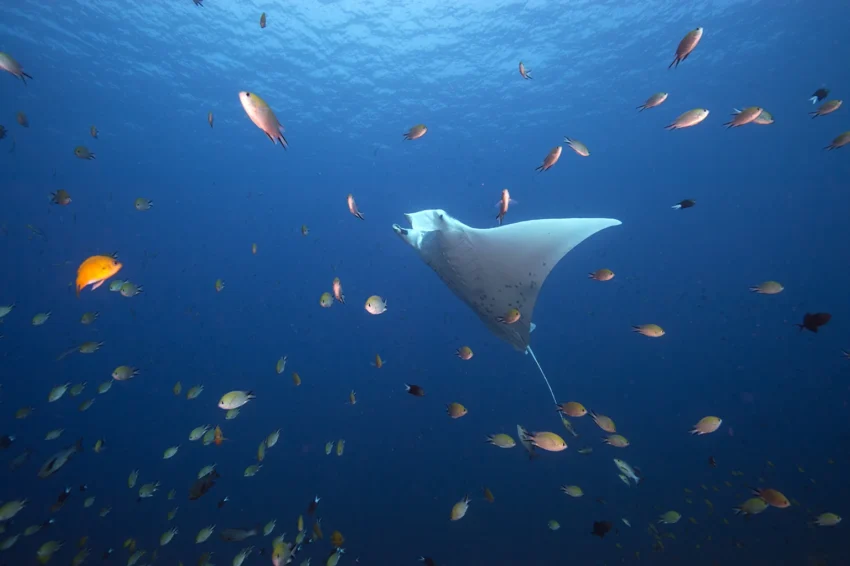
Raja Ampat, located in West Papua, Indonesia, is internationally celebrated as one of the most stunning marine paradises in the world. Known for its crystal-clear waters, rich coral reefs, and alluring karst island formations, Raja Ampat offers a spectacular ecosystem for divers, snorkelers, and nature enthusiasts. This remote archipelago is home to thousands of species of marine life, making it a key destination for ecotourism and underwater exploration.
Tourists visiting Raja Ampat can experience the breathtaking underwater biodiversity that ranges from vibrant coral gardens to rare species such as the wobbegong shark and the Raja Ampat walking shark. The area’s karst islands rise dramatically from the sea, creating scenic views both above and below the waterline. These formations not only attract photographers and adventurers but also support diverse ecosystems that are crucial for marine conservation.
Baca Juga: Rising Social Media Usage in Early 2026: Indonesia Enters an Era of Massive Digital Consumption
Unmatched Diving and Snorkeling Experience
Diving in Raja Ampat is considered a once-in-a-lifetime experience. Popular sites like Cape Kri, Blue Magic, and Manta Sandy provide divers with encounters with manta rays, schools of reef fish, and extensive coral gardens. Visibility underwater often exceeds 30 meters, and the warm waters support vibrant marine life year-round. Snorkelers can also enjoy shallow reef areas, making Raja Ampat accessible for beginners while offering challenges for professional divers.
Eco-conscious travel operators in the region emphasize sustainable diving practices to protect coral reefs and marine habitats. Visitors are encouraged to follow strict environmental guidelines to minimize their impact, such as using reef-safe sunscreen and avoiding contact with fragile corals.
The Allure of Karst Islands and Remote Villages
Raja Ampat is not only about its underwater wonders; its islands are equally captivating. The karst islands, formed over millions of years, feature steep limestone cliffs, hidden lagoons, and secluded beaches. These islands provide habitats for rare birds and endemic species, including the famous Wilson’s bird-of-paradise. Many islands are inhabited by local communities who maintain traditional ways of life, adding cultural richness to the natural beauty.
Visitors can engage in village tours, learn about traditional fishing methods, and explore local handicrafts. The integration of culture and nature makes Raja Ampat a holistic destination for travelers seeking both adventure and cultural immersion.
Sustainable Tourism and Conservation Efforts
Raja Ampat has been a focus of conservation efforts due to its environmental importance. Marine protected areas cover large parts of the archipelago, ensuring the preservation of biodiversity and sustainable use of resources. Local NGOs and international partners collaborate on initiatives such as coral reef restoration, mangrove replanting, and community-based tourism programs.
Responsible travelers are encouraged to participate in eco-tourism activities that contribute to local conservation, ensuring that the natural beauty and ecological significance of Raja Ampat are maintained for future generations.
Planning Your Visit
The best time to visit Raja Ampat is generally from October to April when seas are calm, and marine life is abundant. Access to the region is primarily via flights to Sorong, followed by boat transfers to the islands. Accommodations range from eco-resorts and homestays to liveaboard boats for an immersive sea experience.
Baca Juga: Rising Social Media Usage in Early 2026: Indonesia Enters an Era of Massive Digital Consumption
Visitors should plan ahead, respect local customs, and follow guidelines for responsible tourism to ensure a safe and enjoyable trip.