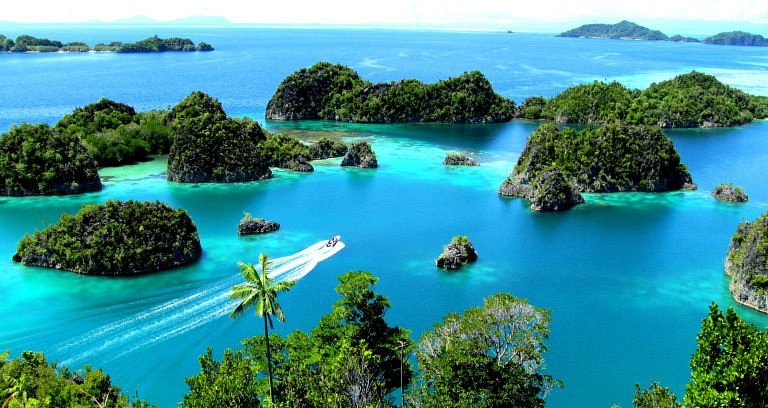
Raja Ampat, located in West Papua, Indonesia, remains the world’s premier diving destination. The region is renowned for its waters that harbor 75% of the world’s marine species, offering unparalleled experiences for divers and nature enthusiasts. From vibrant coral reefs to abundant marine life, Raja Ampat provides a truly unique underwater adventure.
Exceptional Marine Biodiversity
Raja Ampat is part of the Coral Triangle, a global hotspot known for the highest marine biodiversity on Earth. Visitors can encounter:
-
Over 1,300 species of reef fish
-
More than 600 species of hard corals
-
Hundreds of species of mollusks, marine mammals, and other marine creatures
This rich biodiversity makes Raja Ampat a global priority for marine conservation, as well as a dream destination for divers seeking pristine underwater environments. Baca Juga: Raja Ampat Diving Guide
Top Diving Spots in Raja Ampat
Some must-visit dive sites include:
-
Cape Kri, famous for its extraordinary variety of reef fish
-
Manta Sandy, where graceful manta rays glide through the waters
-
Blue Magic, a deep reef wall home to large pelagic fish and reef sharks
Each location offers a unique diving experience, from shallow coral gardens to thrilling deep walls, perfect for both beginners and advanced divers. Baca Juga: Marine Tourism and Conservation in Raja Ampat
Best Diving Seasons and Travel Tips
The ideal time to dive in Raja Ampat is October through April, when sea currents are calmer and water visibility is at its best. Key tips for travelers include:
-
Choose eco-friendly resorts or liveaboards that support conservation efforts
-
Use reef-safe diving equipment and biodegradable sunscreen
-
Follow marine park regulations and avoid touching corals or disturbing wildlife
With proper preparation, diving in Raja Ampat becomes an unforgettable experience while helping preserve its remarkable marine ecosystem.
Conservation and Global Significance
Raja Ampat is not just a tourist destination but also a critical marine conservation area. Its protection helps preserve thousands of marine species, supports scientific research, and raises awareness about the importance of ocean conservation. Government initiatives, conservation organizations, and responsible tourism play key roles in safeguarding this natural treasure. Baca Juga: Raja Ampat and Global Marine Conservation