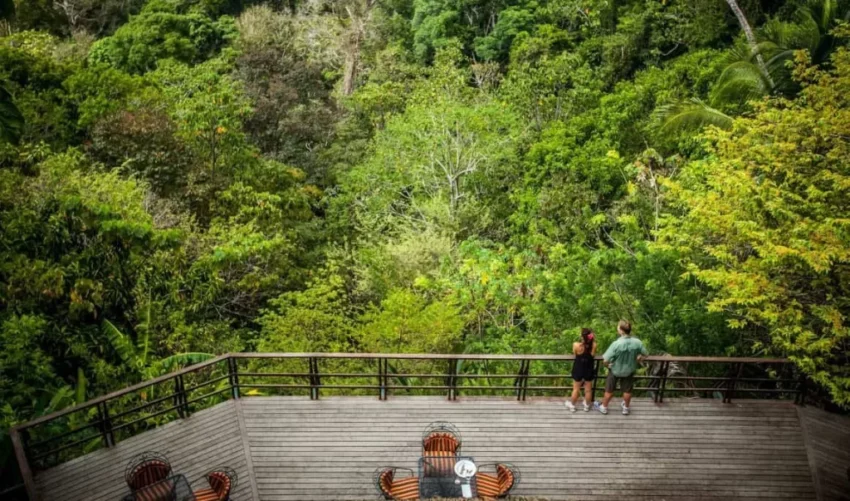
Nature tourism continues to evolve, and 2026 promises exciting shifts that combine sustainability, immersive experiences, and meaningful connections with the environment. Travelers are seeking more than just sightseeing—they want authentic, responsible, and regenerative encounters with nature that leave a positive impact on both the planet and local communities. This article explores the key trends shaping nature tourism in 2026 and what travelers can expect in the near future.
Slow Travel and Meaningful Nature Experiences
In 2026, nature tourism emphasizes quality over quantity. Travelers increasingly prefer slow travel, spending more time in fewer locations to fully experience the environment and local culture. This shift reflects a desire to connect deeply with the landscape, wildlife, and communities rather than rushing through popular destinations. Slow travel encourages visitors to engage with local conservation initiatives, participate in cultural activities, and enjoy the therapeutic benefits of spending time in natural settings.
Visitors are drawn to immersive experiences such as guided forest walks, wildlife observation programs, and eco-lodges that promote sustainability. These trips focus on education, reflection, and meaningful interaction with the environment, creating memories that go beyond typical sightseeing. Slow travel also reduces the carbon footprint of tourism, aligning with broader goals of sustainability and environmental responsibility.
Baca Juga: Pidana Kerja Sosial Indonesia KUHP 2026
Regenerative Tourism: Giving Back to Nature
Beyond sustainability, regenerative tourism is becoming a dominant trend. This approach goes further than minimizing harm—it actively improves ecosystems, supports biodiversity, and strengthens local communities. Regenerative tourism encourages travelers to participate in habitat restoration, wildlife protection, and community development programs.
Eco-conscious travelers in 2026 seek experiences that allow them to contribute positively while enjoying nature. Examples include volunteering for reforestation projects, supporting local artisans, or joining conservation efforts in marine and forested areas. This trend reflects a growing awareness that tourism can be a force for good, fostering environmental stewardship and cultural preservation.
Baca Juga: Pidana Kerja Sosial Indonesia KUHP 2026
Outdoor Adventures and Digital Detox
Modern travelers are increasingly looking to disconnect from digital life and reconnect with the natural world. Nature tourism in 2026 promotes outdoor adventures that combine physical activity, mindfulness, and wellness. Hiking, trekking, cycling, and kayaking in pristine landscapes are popular options, offering both excitement and mental rejuvenation.
Nature-based retreats focus on mindfulness practices, forest bathing, and immersive wildlife encounters. These experiences cater to those seeking mental health benefits, stress relief, and a sense of balance, making nature tourism not just an adventure but a path toward personal wellbeing.
Baca Juga: Pidana Kerja Sosial Indonesia KUHP 2026
Tech-Enhanced Eco-Travel
Technology is also influencing nature tourism trends. Mobile apps and digital platforms now allow travelers to plan eco-friendly trips, track carbon footprints, and participate in virtual conservation programs. Drones, augmented reality, and GPS-based guided tours provide educational and immersive experiences while preserving natural habitats.
Tech-enhanced tourism helps visitors engage responsibly with fragile ecosystems, ensuring that tourism growth does not compromise environmental integrity. In 2026, travelers can enjoy high-tech interactions with nature while minimizing human impact and supporting sustainable tourism initiatives.
Baca Juga: Pidana Kerja Sosial Indonesia KUHP 2026
Local and Community-Led Tourism
Community engagement remains a core trend for 2026. Nature tourism increasingly emphasizes local partnerships that benefit residents and preserve cultural heritage. Travelers are encouraged to support local guides, homestays, and small businesses, ensuring tourism revenue directly contributes to the region.
Community-led tourism initiatives also provide educational value, teaching visitors about sustainable practices, traditional knowledge, and environmental conservation efforts. By involving local communities, nature tourism becomes a shared experience that fosters mutual respect, understanding, and long-term sustainability.
Baca Juga: Pidana Kerja Sosial Indonesia KUHP 2026