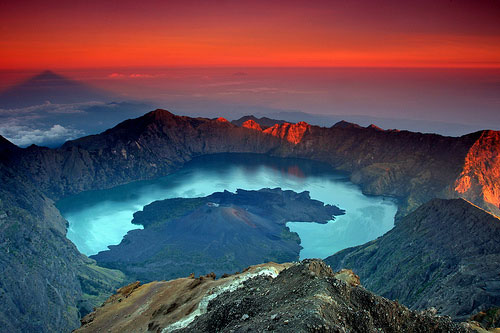
Mount Rinjani is not just one of Indonesia’s most iconic peaks. It is also one of the most rewarding trekking destinations in Southeast Asia. Rising proudly on Lombok Island, this majestic volcano offers dramatic landscapes, breathtaking crater views, challenging trails, and a sense of achievement that stays with hikers for years. For many travelers, exploring Mount Rinjani becomes more than a trip. It becomes a life-changing adventure.
However, the beauty of Rinjani comes with serious demands. The mountain’s steep paths, changing temperatures, rocky terrain, and long trekking hours require strong preparation. Many first-time climbers focus only on excitement and forget that proper gear can determine whether the journey becomes enjoyable or exhausting. That is why understanding Mount Rinjani hiking preparation is essential before stepping onto the trail.
In this guide, we will focus on the most important part of a successful trek: preparation for the climb, especially equipment and clothing. If you are planning to conquer this legendary peak, this article will help you pack smarter, stay safer, and enjoy the adventure more fully. Read Also: Gosip Vanessa Angel Deddy Corbuzier Putus
Why Proper Preparation Matters for Mount Rinjani
Mount Rinjani is famous for its stunning scenery, but it is equally known for its physically demanding routes. Depending on the trail you choose, such as Sembalun or Senaru, you will face long ascents, steep descents, dusty paths, cold summit winds, and rapidly changing weather conditions. This means that Mount Rinjani hiking preparation should never be taken lightly.
At lower altitudes, the weather may feel warm and dry. But once you gain elevation, temperatures can drop sharply, especially before dawn when hikers attempt the summit push. Strong winds and cold air at the top often surprise climbers who underestimate the mountain. In addition, carrying the wrong gear can slow you down and drain your energy faster than expected.
Proper preparation matters because it helps you manage fatigue, avoid injuries, stay comfortable, and reduce risks. The right boots protect your feet on rocky terrain. The right jacket shields you from freezing wind near the summit. The right backpack ensures you can carry essentials without unnecessary strain. In short, the better your preparation, the more you can focus on enjoying the magic of Rinjani instead of struggling with preventable problems.
Understanding the Conditions on Mount Rinjani
Before packing, every climber should understand what kind of environment they will face. Exploring Mount Rinjani means moving through several different natural conditions in one trip. This is why a one-size-fits-all packing approach rarely works.
During the day, especially in exposed sections of the trail, sunlight can be intense. The volcanic terrain reflects heat, making hikers sweat quickly. This means breathable clothing is crucial. At night, especially at base camps like Plawangan Sembalun or Plawangan Senaru, temperatures can become very cold. Near the summit, the wind can feel harsh and biting.
The terrain is another major factor. Some sections are dusty and loose, while others are steep and rocky. The final push to the summit often involves walking on loose volcanic sand and gravel, where every step can feel like two steps backward. Your footwear, trekking poles, and clothing layers all play a major role here.
Weather can also shift unexpectedly. Even during the dry season, clouds, mist, or sudden wind changes may occur. This is why experienced hikers always recommend packing in layers and bringing waterproof protection, even when the forecast looks favorable.
Essential Backpack and Carrying System
A reliable backpack is the foundation of good Mount Rinjani hiking preparation. If you are joining a guided trek with porters, you may not need to carry all your camping gear. Still, you should have a daypack or trekking backpack that comfortably holds your personal essentials.
For a typical Rinjani trek, a backpack between 20 to 35 liters is often ideal for personal use. It should have padded shoulder straps, a waist belt, and enough compartments to organize your items. Comfort matters because you may be hiking for many hours each day. A poorly fitted bag can cause shoulder pain, back strain, and unnecessary fatigue.
Inside your backpack, you should carry water, snacks, a jacket, a headlamp, basic first aid items, sunscreen, gloves, a rain cover, and any personal necessities. If you are trekking independently without porter support, a larger pack may be required, but weight management becomes even more important.
Choose a backpack with a rain cover or bring a separate waterproof cover. Even if conditions seem dry, dust and sudden weather changes can affect your gear. Smart organization inside the bag also helps. Use dry bags or zip pouches to keep clothes and electronics protected.
The Best Clothing Strategy: Layering Is Everything
When it comes to preparation for the climb, especially equipment and clothing, the golden rule is simple: layer your clothing. Layering gives you flexibility as temperatures and conditions change throughout the trek.
Base Layer for Moisture Control
The base layer sits directly on your skin. Its job is to wick sweat away from your body so you stay dry and comfortable. This is especially important on Rinjani because sweating heavily during the day and then cooling down quickly at camp can make you feel chilled.
Choose moisture-wicking shirts made from synthetic fabric or merino wool. Avoid cotton because it absorbs sweat and stays wet for too long. A wet cotton shirt can make you cold and uncomfortable, especially when the wind picks up.
For most hikers, packing two to three quick-dry shirts is enough for a multi-day trek. Lightweight long-sleeve shirts can also help protect against sun exposure while keeping you cool.
Mid Layer for Insulation
The mid layer helps retain body heat when temperatures drop. A fleece jacket or lightweight insulated jacket is usually the best option. This layer becomes very useful in the evening at camp and during the early-morning summit attempt.
A good fleece is breathable and warm without adding too much weight. If you get cold easily, consider a lightweight down or synthetic insulated jacket. Since the summit push often starts around 2 or 3 AM, having a warm mid layer is not optional. It is essential.
Outer Layer for Wind and Rain Protection
Your outer layer protects you from wind and moisture. On Mount Rinjani, windproof protection is often just as important as waterproofing. Near the summit, strong gusts can cut through lighter clothing quickly.
Bring a windproof and water-resistant shell jacket. A lightweight rain jacket is also highly recommended. Even if it does not rain, the shell adds a protective barrier against cold air and summit wind. This can make a huge difference in comfort and safety.
Choosing the Right Hiking Pants and Bottoms
Many hikers make the mistake of focusing only on jackets and forgetting how important good trekking pants are. For Mount Rinjani hiking preparation, your lower-body clothing should be comfortable, flexible, and suitable for changing temperatures.
Quick-dry hiking pants are the best choice. They allow freedom of movement and handle sweat better than jeans or thick cotton pants. Avoid denim at all costs because it becomes heavy, stiff, and uncomfortable on the trail.
Convertible hiking pants can be a smart option if you want flexibility between warm daytime hiking and cooler evening conditions. Some hikers also like to bring thermal leggings or a base layer for the summit push, especially if they are sensitive to cold.
At camp, having a lightweight extra pair of dry pants can improve comfort significantly. Changing into dry clothes after a long hike helps your body recover better and keeps you warmer overnight.
Footwear: The Most Important Gear Decision
If there is one piece of equipment you should never compromise on, it is your footwear. Exploring Mount Rinjani means walking on uneven, rocky, dusty, and slippery terrain. Your shoes or boots will affect your balance, endurance, and safety more than almost anything else.
The best option for most hikers is a pair of well-broken-in hiking boots or trail shoes with excellent grip. If you choose boots, make sure they provide ankle support without feeling too stiff. If you choose trail running shoes, ensure the sole has strong traction and the fit feels secure on descents.
Never bring brand-new footwear to Rinjani. New boots often cause blisters, and blisters can ruin an otherwise incredible trek. Test your footwear on long walks or smaller hikes before the trip.
Pair your shoes with quality hiking socks. Moisture-wicking socks reduce friction and help prevent blisters. Bring at least two or three pairs, and consider one thicker pair for the cold summit morning. Read Also: Pacar Baru Jefri Nichol Terungkap
Essential Accessories for Cold, Sun, and Safety
Beyond the main clothing layers, several accessories can make your trek much easier and more comfortable.
Headlamp
A headlamp is absolutely essential for the summit attempt. Since hikers usually start climbing long before sunrise, you need both hands free while navigating steep and loose terrain. Choose a reliable headlamp with fresh batteries or a fully charged rechargeable unit.
Gloves
The summit can be surprisingly cold. Lightweight gloves may be enough for some hikers, but insulated gloves are often a better choice if you feel cold easily. Gloves also help protect your hands from wind.
Beanie or Warm Hat
A warm hat helps preserve body heat during the night and summit push. Since much of your body heat can escape through your head, this small item makes a noticeable difference.
Sun Hat and Sunglasses
During daytime trekking, sun exposure can be intense. A brimmed hat or cap protects your face, while sunglasses reduce glare and eye strain. This becomes especially useful on exposed ridgelines and open volcanic terrain.
Buff or Neck Gaiter
Dust can be a real issue on Mount Rinjani, especially during dry conditions and busy trekking periods. A buff or neck gaiter helps protect your mouth and nose from dust while also providing warmth in cold wind.
Trekking Poles: Worth Bringing or Not?
Many first-time hikers wonder if trekking poles are necessary for Rinjani. The short answer is yes, they are highly recommended. While not mandatory, they can significantly improve stability and reduce stress on your knees.
The steep descent from the crater rim and the loose gravel sections near the summit can be very hard on the legs. Trekking poles help distribute your weight, maintain balance, and make long descents feel less punishing. For hikers carrying heavier packs or those with knee sensitivity, poles can be a game changer.
Collapsible poles are especially practical because they are easy to pack when not in use. Once you try them on steep terrain, many hikers find it hard to go back.
Hydration and Food Essentials
No Mount Rinjani hiking preparation guide is complete without mentioning hydration. Trekking at altitude under the sun can dehydrate you quickly, and dehydration makes fatigue and headaches much worse.
Carry at least 2 liters of water, or more depending on your trekking plan and support system. Some guided tours help provide water refills, but you should always confirm this in advance. Hydration bladders are convenient, but bottles are easier to monitor and refill.
Electrolyte tablets or hydration salts are also useful. They help replace minerals lost through sweat, especially during hot daytime climbs. Energy bars, nuts, dried fruit, chocolate, and other quick snacks are ideal for maintaining energy between meal stops.
Even if your guide provides meals, keep personal snacks within easy reach. Small, frequent fuel breaks often work better than waiting until you are already exhausted.
Personal Health and Emergency Items
Every climber should carry a small personal health kit. You do not need a large medical bag, but a few essentials can solve common trail problems quickly.
Your kit should include blister plasters, regular bandages, pain relievers, antiseptic wipes, personal medication, and basic stomach relief medicine. Sunscreen and lip balm are also very important. Many hikers underestimate how intense sun and wind exposure can be at higher elevations.
Wet wipes, hand sanitizer, and toilet tissue are practical items that many people forget. On a multi-day mountain trek, comfort and hygiene matter more than you may expect.
A lightweight emergency blanket can also be a smart addition, especially for cautious hikers or those trekking independently.
What Not to Bring to Mount Rinjani
Packing well is not only about what you bring. It is also about what you leave behind. Overpacking is one of the most common mistakes in preparation for the climb, especially equipment and clothing.
Avoid heavy casual clothes, unnecessary gadgets, extra shoes, large toiletry kits, and bulky items that do not serve a clear purpose. Every extra kilogram becomes more noticeable on steep ascents.
Do not bring jeans, heavy cotton hoodies, or fashion jackets that are not designed for outdoor use. These items may look warm, but they perform poorly on the trail. Also avoid carrying too much food if your trek operator already provides meals.
Pack light, but pack smart. Every item should earn its place in your bag.
Mental Preparation Is Just as Important
While this article focuses on gear and clothing, mental readiness is just as important for exploring Mount Rinjani. The climb can be tiring, and the summit push is often the toughest part. There will be moments when your legs feel heavy, the wind feels cold, and the trail seems endless.
This is where mindset matters. Go in with realistic expectations. Accept that the trek will be challenging. Pace yourself. Listen to your body. Stay hydrated. Trust the process. One steady step at a time is often the best strategy on Rinjani.
A well-prepared hiker usually enjoys the experience more because they are not distracted by avoidable discomfort. When your clothing keeps you warm, your boots protect your feet, and your bag carries only what you need, you are free to appreciate the sunrise, the crater lake, the volcanic landscapes, and the unforgettable sense of accomplishment.
Final Thoughts
Exploring Mount Rinjani truly is an unforgettable adventure, but it rewards those who prepare carefully. This is not a mountain where you should rely on luck or last-minute packing. Proper Mount Rinjani hiking preparation, especially in terms of equipment and clothing, can transform your journey from a difficult struggle into an incredible and memorable expedition.
The key is simple: dress in layers, choose reliable footwear, carry essential safety items, stay hydrated, and avoid overpacking. Focus on function over style. On Rinjani, practical gear matters far more than appearance. The mountain will test your endurance, but it will also reward you with some of the most spectacular views in Indonesia.
If you prepare wisely, every step becomes part of a story worth remembering. From the dusty trails and cold summit winds to the first golden light over the crater, Mount Rinjani offers an adventure that stays in your heart long after the trek is over. Read Also: Artis Nadira Dituding Sebagai Pelakor