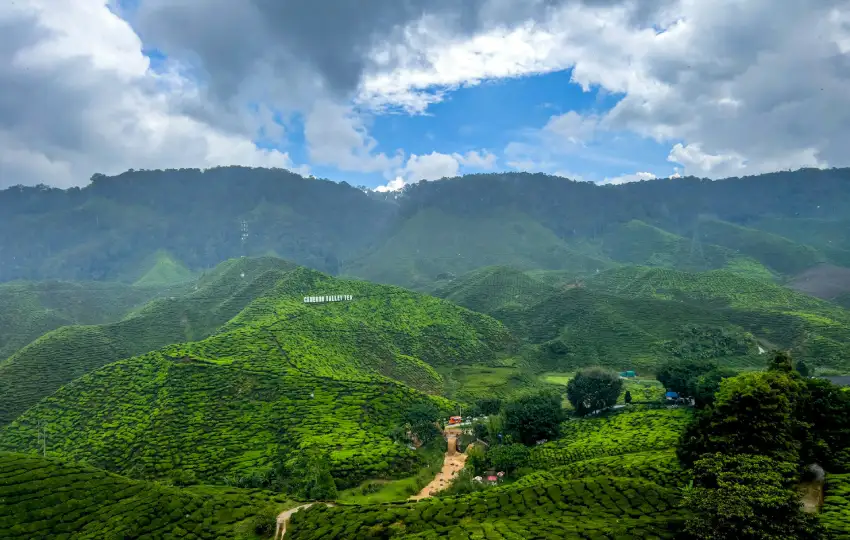
Ecotourism Sustainable Nature Travel is a growing trend in the tourism industry, allowing travelers to experience natural destinations while actively protecting the environment and supporting local communities. Unlike conventional tourism, this approach prioritizes conservation, responsible travel practices, and the well-being of residents in rural or natural areas. By choosing ecotourism, visitors can enjoy unique landscapes, learn about local ecosystems, and contribute to the preservation of fragile environments for future generations.
Unlike mass tourism, which often prioritizes profit and volume, ecotourism emphasizes low-impact travel, respect for nature, and long-term benefits for local populations. From tropical rainforests and coral reefs to volcanic landscapes and mountain ecosystems, ecotourism plays a crucial role in preserving fragile environments while creating economic opportunities for nearby communities.
Understanding the Core Principles of Ecotourism
To fully understand ecotourism, it is essential to recognize the principles that differentiate it from conventional tourism. Ecotourism is not merely about visiting natural areas; it is about how travel is conducted and what impact it leaves behind.
One of the core principles of ecotourism is environmental conservation. Activities are designed to minimize damage to ecosystems, wildlife, and natural resources. This includes limiting visitor numbers, using eco-friendly infrastructure, reducing waste, and supporting conservation initiatives. Tour operators involved in ecotourism often collaborate with environmental organizations to protect biodiversity and restore damaged habitats.
Another key principle is community welfare. Ecotourism ensures that local residents benefit directly from tourism activities. This can include employment as guides, accommodation providers, artisans, or conservation workers. Revenue generated through ecotourism often supports education, healthcare, and infrastructure development in rural or remote areas, helping communities maintain their cultural identity while improving their quality of life.
Education and awareness also play a vital role. Ecotourism experiences often include interpretation programs, guided tours, and informational sessions that teach visitors about local ecosystems, geology, wildlife, and cultural traditions. This educational aspect fosters respect for nature and encourages responsible behavior long after travelers return home.
Ecotourism and Volcanic Landscapes
Volcanic regions are among the most fascinating natural environments on Earth. Active and dormant volcanoes create dramatic landscapes, fertile soils, geothermal features, and unique ecosystems. These areas attract travelers interested in geology, adventure, photography, and natural beauty. When managed responsibly, volcano tourism can become a powerful form of ecotourism.
Volcanic ecotourism focuses on controlled access, scientific education, and environmental protection. Visitors may explore lava fields, craters, calderas, hot springs, and volcanic lakes while learning about Earth’s internal processes. Interpretation centers and guided tours help explain how volcanic activity shapes landscapes and influences biodiversity.
Understanding volcanic processes is essential for both safety and sustainability. Articles such as Baca Juga: Aktivitas Vulkanik Gunung Api provide valuable insight into how volcanoes work, the risks they pose, and the environmental impacts they create. This knowledge supports responsible tourism planning and helps visitors appreciate the power and fragility of volcanic environments.
Environmental Benefits of Ecotourism
One of the most significant advantages of ecotourism is its positive impact on environmental conservation. By generating income through sustainable travel, ecotourism creates financial incentives to protect natural areas rather than exploit them.
Protected areas supported by ecotourism often receive funding for habitat restoration, wildlife monitoring, and anti-poaching efforts. In volcanic regions, ecotourism revenue can support geological research, early warning systems, and ecosystem rehabilitation following eruptions. These initiatives help balance human access with long-term environmental resilience.
Ecotourism also promotes responsible visitor behavior. Travelers are encouraged to follow strict guidelines, such as staying on designated trails, avoiding wildlife disturbance, and minimizing waste. This reduces erosion, habitat destruction, and pollution, which are common problems in unmanaged tourism destinations.
Additionally, ecotourism supports climate awareness. Many eco-destinations emphasize renewable energy, water conservation, and carbon reduction strategies. Visitors gain firsthand experience of sustainable practices, which can influence their lifestyle choices beyond travel.
Social and Economic Impact on Local Communities
The welfare of local residents is a defining feature of ecotourism. Unlike large-scale tourism developments that often displace communities or concentrate profits in external corporations, ecotourism prioritizes local ownership and participation.
In rural areas near volcanoes, forests, or national parks, ecotourism creates jobs that do not require large-scale industrial development. Local guides, homestay operators, transport providers, and craft producers all benefit from tourism income. This economic diversification reduces dependence on environmentally destructive activities such as illegal logging or mining.
Ecotourism also strengthens cultural preservation. Many eco-tours incorporate traditional knowledge, folklore, rituals, and sustainable land-use practices. Visitors gain a deeper understanding of how local cultures coexist with nature, while communities gain pride and recognition for their heritage.
Education funded by ecotourism revenue further enhances long-term development. Improved access to schooling and environmental education empowers younger generations to become stewards of their natural and cultural resources.
Challenges in Implementing Ecotourism
Despite its benefits, ecotourism is not without challenges. Poor planning, weak regulation, or excessive commercialization can undermine its principles. In some destinations, the label “ecotourism” is used as a marketing tool without genuine commitment to sustainability.
Overcrowding remains a major risk, even in eco-destinations. Too many visitors can strain local resources, damage ecosystems, and disrupt community life. This is particularly critical in volcanic areas, where environmental sensitivity and safety risks require strict visitor management.
Another challenge is balancing accessibility with conservation. While ecotourism aims to make nature accessible, unrestricted access can lead to environmental degradation. Effective zoning, visitor quotas, and continuous monitoring are essential to maintain ecological balance.
Local capacity building is also crucial. Communities need training, resources, and decision-making power to manage ecotourism initiatives successfully. Without strong local involvement, economic benefits may be unevenly distributed, leading to social tension.
The Future of Ecotourism
As global awareness of environmental issues continues to grow, ecotourism is expected to play an increasingly important role in the tourism industry. Travelers are becoming more conscious of their ecological footprint and are actively seeking destinations that align with their values.
Technological innovation will support the future of ecotourism through improved monitoring systems, digital interpretation tools, and data-driven conservation strategies. In volcanic regions, technology can enhance safety through real-time monitoring and early warning systems, ensuring that tourism remains both educational and secure.
Policy support will also shape the future of ecotourism. Governments and international organizations are recognizing the importance of sustainable tourism in achieving conservation and development goals. Strong regulations, certification systems, and community-based management models will be key to maintaining credibility and impact.
Ultimately, ecotourism represents a shift in how people interact with nature. It encourages respect over exploitation, learning over consumption, and partnership over domination. When implemented correctly, ecotourism proves that tourism can be a powerful force for environmental protection and social well-being.
Conclusion
Ecotourism is more than a travel trend; it is a sustainable approach to exploring the natural world while protecting it for future generations. By focusing on environmental conservation, community welfare, and education, ecotourism creates meaningful experiences that benefit both travelers and host destinations.
From pristine forests to dramatic volcanic landscapes, ecotourism demonstrates that nature tourism can coexist with preservation and development. With responsible management, informed travelers, and strong local participation, ecotourism has the potential to redefine the future of global travel in a way that is ethical, resilient, and deeply connected to the planet.