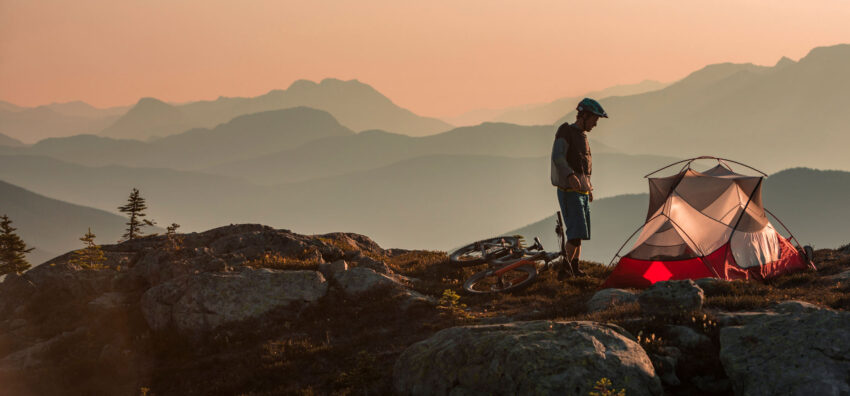
Adventure travel is a type of journey that takes travelers into the great outdoors while facing physical challenges and manageable risks. Activities such as mountain climbing, whitewater rafting, mountain biking, and jungle trekking are popular ways to experience unique adventures while boosting fitness, confidence, and adrenaline.
What Is Adventure Travel?
Adventure travel combines outdoor exploration with activities that require physical effort, skill, and a tolerance for certain levels of risk. Unlike regular tourism, which focuses on relaxation or cultural visits, adventure travel engages travelers actively with their environment.
Key characteristics:
-
Conducted in natural settings (mountains, rivers, oceans, forests, deserts)
-
Involves physical activity or adventure sports
-
Includes elements of environmental unpredictability (weather, terrain, water currents)
-
Requires proper gear and safety considerations
Why Adventure Travel Is Trending
The popularity of adventure travel has grown significantly in recent years due to several factors:
1. Desire to Connect with Nature
Modern urban lifestyles often feel exhausting. Nature offers wide spaces for relaxation, mental clarity, and challenge.
2. Fitness and Healthy Lifestyle
Activities like hiking, kayaking, and climbing also improve physical health, making trips both enjoyable and beneficial.
3. Adrenaline and Personal Challenge
Many travelers seek experiences that push their limits, such as climbing high peaks or navigating fast rapids.
4. Social Media Influence
Platforms like Instagram, YouTube, and TikTok make adventure travel visually appealing, inspiring younger generations to seek similar experiences.
Benefits of Adventure Travel
Adventure travel provides multiple benefits—physical, mental, social, and educational:
Physical Benefits
-
Strengthens muscles and endurance
-
Improves cardiovascular fitness
-
Reduces stress and supports weight management
Mental & Emotional Benefits
-
Boosts self-confidence
-
Encourages discipline and risk tolerance
-
Creates happiness through achievement and endorphins
Social Benefits
Group activities improve:
-
Teamwork
-
Interpersonal communication
-
Sense of camaraderie
Educational & Environmental Awareness
Outdoor adventure fosters awareness about:
-
Ecosystem conservation
-
Wildlife protection
-
Sustainable tourism practices
Popular Adventure Activities
1. Mountain Climbing
Conquering peaks like Kilimanjaro or Mount Fuji tests both stamina and mental resilience. Professional guides and proper equipment are essential.
2. Whitewater Rafting
Navigating rapids of various classes challenges teamwork and courage.
3. Mountain Biking
Off-road trails and natural obstacles make mountain biking an exhilarating experience.
4. Diving & Snorkeling
Exploring underwater life, such as in the Great Barrier Reef or Raja Ampat, requires safety training and awareness.
5. Bungee Jumping & Zip Line
Extreme activities in tropical forests or adventure parks deliver intense adrenaline rushes.
6. Trekking & Safari
Intensive hikes through jungles or safaris provide encounters with wildlife and natural phenomena.
Read also: TikTok Leads Gen Z Video Trends
Top Adventure Travel Destinations
-
Patagonia, Argentina & Chile – Dramatic landscapes and epic trekking at Torres del Paine
-
Queenstown, New Zealand – Hub for bungee jumping, skydiving, rafting
-
Cusco & Machu Picchu, Peru – Historic trails with breathtaking mountain views
-
Nepal – Himalayas – Base camp treks and high-altitude climbing
-
Yosemite National Park, USA – Granite cliffs, waterfalls, legendary hiking routes
-
Sumatra & Kalimantan, Indonesia – Tropical rainforests, hills, and wildlife exploration
Safety Tips for Adventure Travel
1. Physical Preparation
Increase stamina and strength with regular exercise before the trip.
2. Proper Equipment
Use high-quality gear:
-
Hiking boots
-
Helmet & life vest
-
Weather-resistant clothing
-
GPS & navigation tools
3. Trusted Operators
Hire certified guides with local experience.
4. Check Weather & Seasons
Extreme weather can be dangerous; always have backup plans.
5. Travel Insurance
Include coverage for medical evacuation in remote areas.
6. Hydration & Nutrition
Stay hydrated and maintain energy for optimal performance.
Managing Risks
| Risk | How to Manage |
|---|---|
| Physical injuries | Training, warm-up, protective gear |
| Bad weather | Monitor forecasts & have contingency plans |
| Getting lost | Use GPS, maps, and follow local guides |
| Dehydration | Drink enough water and eat energy-rich food |
Eco-Friendly Adventure Travel
Responsible practices reduce environmental impact:
-
Leave no trace in nature
-
Hire local guides
-
Choose operators supporting conservation programs
-
Avoid single-use plastics
Conclusion
Adventure travel is more than a vacation—it’s an invitation to explore physical and mental limits in the natural world. With proper preparation, it offers unforgettable experiences, improved health, and a deeper appreciation for the environment. Whether you are a beginner hiker, adrenaline seeker, or nature enthusiast, adventure travel awaits.