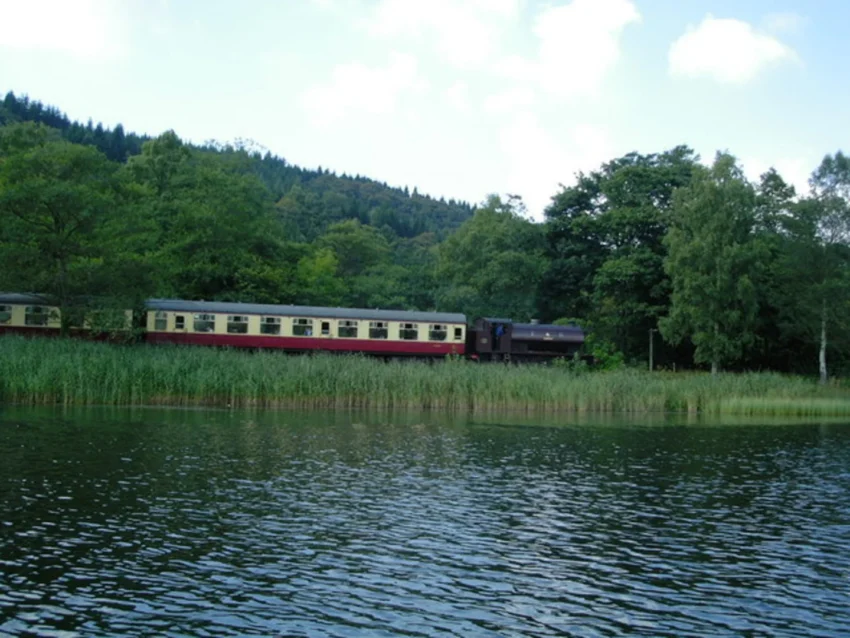
The United Kingdom has officially launched a spectacular new hiking route: The Westmorland and Furness Way, stretching approximately 120 miles (193 km) across some of the most iconic landscapes in Northern England, including the renowned Lake District National Park. This trail is designed to enhance public access to the wilderness while promoting sustainable tourism and local community engagement.
The route provides hikers of all levels with a unique opportunity to explore Northern England’s natural beauty in an organized and accessible way.
Route Overview and Segments
The Westmorland and Furness Way connects Alston in the north to Furness Abbey in the south, divided into six flexible segments suitable for both long-distance hikes and shorter day trips:
-
Alston → Milburn (±16 miles) – Begins with the dramatic uplands of the North Pennines.
-
Milburn → Kirkby Stephen (±23 miles) – Passes tranquil rivers, valleys, and rolling hills.
-
Kirkby Stephen → Sedbergh (±16 miles) – Combines lush meadows with traditional English villages.
-
Sedbergh → Bowness (±27 miles) – Crosses the scenic Westmorland Dales and Yorkshire Dales.
-
Bowness → Ulverston (±21 miles) – Offers lake views and challenging hill paths.
-
Ulverston → Furness Abbey (±17 miles) – Concludes with historic landmarks and coastal panoramas.
Hikers can complete the full route in approximately 8–17 days, depending on pace and rest stops along the way.
Landscapes and Highlights
The trail showcases a remarkable variety of Northern England’s landscapes:
-
North Pennines Area of Outstanding Natural Beauty – Dramatic hills and upland scenery.
-
Westmorland and Yorkshire Dales – Rolling green fields, clear rivers, and traditional villages.
-
Lake District National Park – Iconic lakes, wooded valleys, and scenic peaks.
Beyond stunning scenery, the trail offers opportunities to engage with local communities and experience regional cuisine along the way.
Read also: Risks of Teen Mental Health on Social Media
Objectives of the Trail Development
The Westmorland and Furness Council highlights several key goals for this project:
-
Enhancing public access to nature and health benefits, allowing people to enjoy the outdoors safely.
-
Boosting local tourism and community economies, particularly in villages along the trail.
-
Providing accessible trail infrastructure, including improved gates, interpretive signage, and safe paths for hikers of all ages.
This development aims to serve as a model for sustainable tourism where nature and communities thrive together.
Tips for Hikers
-
Plan your segments carefully according to fitness level and weather conditions.
-
Bring proper hiking gear, including comfortable boots, waterproof clothing, and maps.
-
Use local accommodations to support community economies and experience local culture.
-
Respect the environment, stay on marked paths, and dispose of waste responsibly.
Official maps and guides will be available via government channels when the trail opens fully.
Conclusion
The Westmorland and Furness Way offers a unique long-distance hiking experience, combining natural beauty, history, and local culture. Spanning 120 miles (193 km), it is set to become a new destination for nature enthusiasts eager to explore the Lake District and surrounding areas safely and sustainably.
For hikers, this trail presents an exciting opportunity to experience Northern England’s landscapes in their entirety. Don’t miss the chance to be among the first to traverse this remarkable route upon its official opening in 2026.