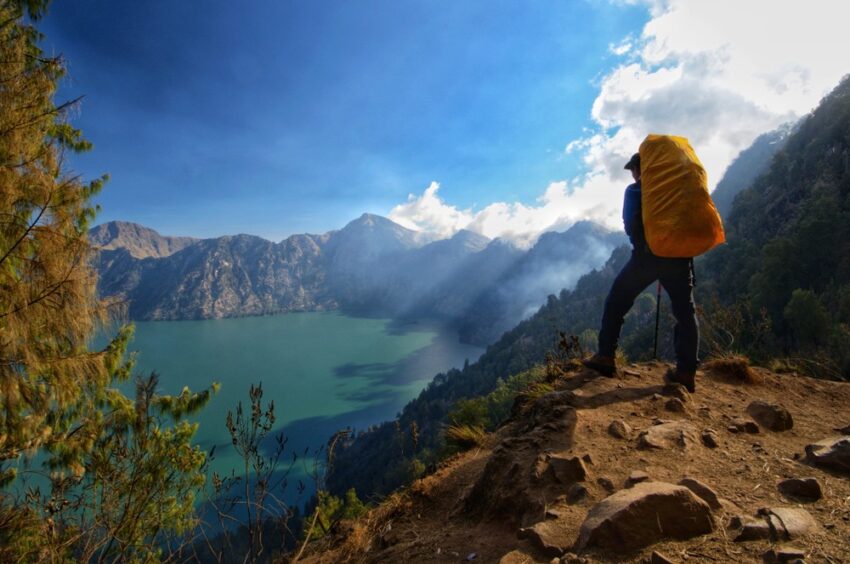
Mount Rinjani, Indonesia’s second-highest volcano located on Lombok Island, has officially reopened its trekking trails to the public. Known for its breathtaking landscapes, including the iconic Segara Anak crater lake, hot springs, and panoramic mountain views, Rinjani is a prime destination for adventure seekers and nature lovers alike.
The temporary closure, implemented in early August 2025, allowed park authorities to review and improve safety measures following incidents that highlighted the risks of high-altitude trekking. With the reopening, hikers can now explore the volcano under stricter safety protocols, ensuring a secure and memorable experience.
Background of the Closure
The Mount Rinjani National Park (TNGR) closed all six main trekking routes temporarily due to safety concerns. The closure aimed to prevent accidents and address logistical challenges observed during peak trekking seasons.
During this period, park authorities conducted a thorough evaluation, which included:
-
Assessing trail conditions and identifying high-risk areas.
-
Upgrading rest stations and emergency evacuation points.
-
Revising Standard Operating Procedures (SOPs) for guides, porters, and visitors.
The temporary closure was essential not only to protect visitors but also to preserve the natural environment and maintain the sustainability of the trekking experience.
Enhanced Safety Measures
With the reopening, TNGR introduced several critical safety protocols:
-
Mandatory Online Ticketing
All visitors must purchase tickets online through the official TNGR application before commencing their trek. This measure ensures controlled visitor numbers, prevents overcrowding, and allows park authorities to track trekkers efficiently. -
Revised SOPs for Guides and Porters
The guide-to-hiker ratio has been standardized to improve supervision and emergency response. Licensed guides are required to carry first aid kits and communication devices to assist trekkers effectively. -
Improved Trail Infrastructure
Trail markers, rest areas, and safety signage have been upgraded. High-risk sections, such as steep slopes and river crossings, now include additional safety ropes and warnings to reduce accidents. -
Emergency and Health Preparedness
Medical response points are strategically located along the main trekking routes. Visitors are advised to carry personal health kits and follow park regulations for safe trekking practices.
Trekking Routes and Highlights
Mount Rinjani offers six primary trekking routes, each providing a unique adventure experience.
-
Senaru Route
Popular for its lush forest trails and waterfalls, the Senaru route offers scenic views and easier access to the crater rim. Ideal for first-time hikers, it balances challenge with safety. -
Sembalun Route
Known for its dramatic alpine landscapes and long ascents, Sembalun is suitable for experienced trekkers seeking panoramic views of the crater lake. -
Torean Route
Less crowded and more remote, the Torean route provides a deeper connection with Lombok’s wilderness. It is recommended for hikers comfortable with rugged trails. -
Timbanuh Route
This trail features volcanic rock formations and unique vegetation. Hikers can enjoy secluded landscapes and a quieter trekking experience. -
Aik Berik Route
A short but challenging path, Aik Berik offers access to hot springs and allows hikers to experience both forested and volcanic terrain. -
Senaru–Sembalun Loop
For advanced trekkers, this loop combines the highlights of both primary routes, offering an immersive trekking experience over several days.
Flora and Fauna Along the Trails
Mount Rinjani is not only a trekking destination but also a biodiversity hotspot. Hikers can encounter:
-
Flora: Rinjani’s slopes are home to tropical montane forests, wild orchids, and unique alpine vegetation near the summit.
-
Fauna: Visitors may spot macaques, Javanese deer, and an array of bird species such as the elegant drongo and Sunda thrush.
Preserving this biodiversity is part of the park’s mission, which is why visitors are required to minimize waste and respect all wildlife.
Tips for a Safe Trekking Experience
-
Plan Ahead: Check weather conditions and park updates before visiting. Rinjani’s weather can be unpredictable, particularly during the wet season.
-
Travel in Groups: Hiking with companions or licensed guides ensures safety and makes emergency response faster if needed.
-
Bring Proper Gear: Essential items include trekking boots, waterproof jackets, gloves, trekking poles, and a first aid kit.
-
Stay Hydrated and Nourished: Carry sufficient water and high-energy snacks, as trekking at high altitudes demands endurance.
-
Respect the Environment: Follow the “Leave No Trace” principle, avoid disturbing wildlife, and dispose of waste responsibly.
Visitor Capacity and Regulations
To prevent overcrowding and maintain safety standards, TNGR limits the number of visitors daily. Advanced online booking is mandatory. Peak visiting periods, such as holidays, require early reservations.
Additional regulations include:
-
No camping outside designated zones.
-
No collection of flora or fauna.
-
Adherence to park guidelines and instructions from guides at all times.
Conclusion
The reopening of Mount Rinjani marks an exciting chapter for Lombok’s adventure tourism. With enhanced safety measures and well-managed trekking routes, hikers can explore Indonesia’s iconic volcano responsibly. Whether you are a seasoned mountaineer or a casual trekking enthusiast, Mount Rinjani promises a memorable adventure in one of the country’s most stunning natural landscapes.
Read Also: Dominasi Konten Video Pendek di Media Sosial