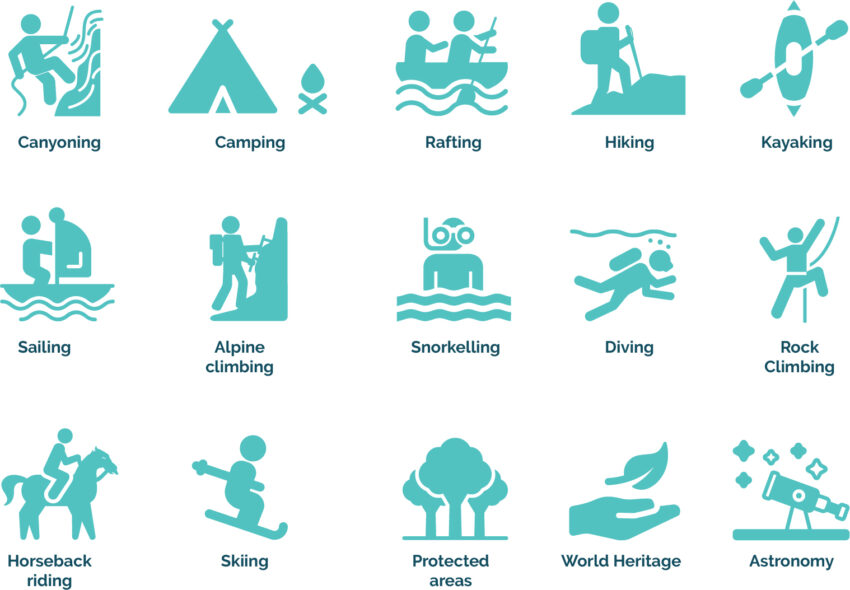
Exploring nature is one of the most refreshing ways to unwind and recharge. Lush forests, clear rivers, towering hills, and vast landscapes offer unforgettable experiences. However, nature trips also come with responsibilities and risks — both for personal safety and environmental preservation.
This guide provides safe and responsible nature travel tips, covering preparation, conduct in natural areas, and wildlife etiquette, so your adventure is enjoyable and environmentally positive.
Pre-Trip Preparation
A safe journey begins long before leaving home.
Research Your Destination
Understand the characteristics of your chosen location:
-
Climate and weather conditions
-
Terrain and topography
-
Local regulations
-
Accessibility and available facilities
Check for permits if required, such as entry passes for national parks or conservation areas.
Physical Health Check
Nature trips often involve challenging terrain. Make sure you are:
-
In good health
-
Physically fit and with adequate stamina
-
Vaccinated or prepared for necessary preventive measures
Consult a doctor if you have any medical conditions.
Gear and Equipment
Bring suitable gear depending on your activity:
-
Hiking boots for rough trails
-
Quick-dry clothing
-
Emergency supplies: first aid kit, flashlight, compass
-
Offline maps / GPS device
-
Sufficient water and backup food
Note: Avoid overpacking — heavy loads increase fatigue.
Follow Leave No Trace Principles
Leave No Trace is essential for responsible travelers. The goal is to leave natural areas exactly as you found them — or better.
Key principles include:
-
Plan and prepare carefully
-
Stick to established trails
-
Dispose of waste properly
-
Leave what you find
-
Minimize campfire impact
-
Respect wildlife
-
Be considerate of other visitors
These principles protect both your safety and the ecosystem.
Interacting with Nature and Wildlife
Many natural areas are protected, and wildlife is legally safeguarded.
Avoid Feeding Wildlife
Feeding animals disrupts their natural habits and can endanger them.
Maintain a Safe Distance
Wild animals may react unpredictably. Keep a safe distance and avoid loud noises.
Responsible Photography
Capture memories without harming the environment or disturbing animals.
Personal Safety in Nature
Safety is a top priority, especially in remote areas.
Use Proper Equipment
-
Helmets and protective gear for rugged terrain
-
Backup communication devices
-
Appropriate footwear for the terrain
Observe Warning Signs
Trail markers and warning signs are critical for safety. Always follow them.
Monitor Weather Conditions
Weather can change rapidly in natural areas. Check forecasts before and during your trip.
Waste Management
Waste is a major threat to nature’s beauty.
-
Bring biodegradable trash bags
-
Separate organic and non-organic waste
-
Carry out all trash if no disposal facilities exist
Never leave plastic or food scraps behind.
Campfire and Camping Ethics
Campfires are enjoyable but can be dangerous if not managed carefully.
Safe Campfire Tips
-
Use designated fire areas
-
Keep surrounding ground clear of flammable material
-
Fully extinguish fires before leaving
Responsible Camping
-
Use established camping sites
-
Avoid setting tents near wildlife paths or flood-prone areas
-
Do not damage vegetation
Respect Local Communities and Cultures
Many natural areas are near indigenous or traditional communities.
-
Respect local customs
-
Seek permission if required
-
Hire local guides to support the community economy
This ensures both social responsibility and cultural preservation.
Use Local Guides or Responsible Tours
Local guides enhance safety and the quality of your experience:
-
Knowledge of flora and fauna
-
Awareness of wildlife behavior
-
Understanding hidden hazards
Supporting local guides also benefits the community economically.
Educate Yourself and Your Group
Before and during the trip, make sure everyone knows:
-
Signs of danger
-
First aid techniques
-
Conservation rules
Shared knowledge ensures a safer and more responsible group experience.
Ethical Sharing of Your Experience
Sharing photos and stories on social media can inspire others but also has risks:
-
Crowds may disturb sensitive areas
-
Wildlife or natural environments may be affected
Promote conservation and responsible behavior, not just scenic views.
Read Also: Bans on Social Media for Children Under 16 in Malaysia 2026
Conclusion
Nature travel is an extraordinary experience that should be enjoyed responsibly. With careful preparation, ethical conduct, and environmental awareness, travelers can:
✔ Ensure personal safety
✔ Preserve nature for future generations
✔ Positively impact local communities
Remember, nature is not just to be seen — it is to be respected and preserved.